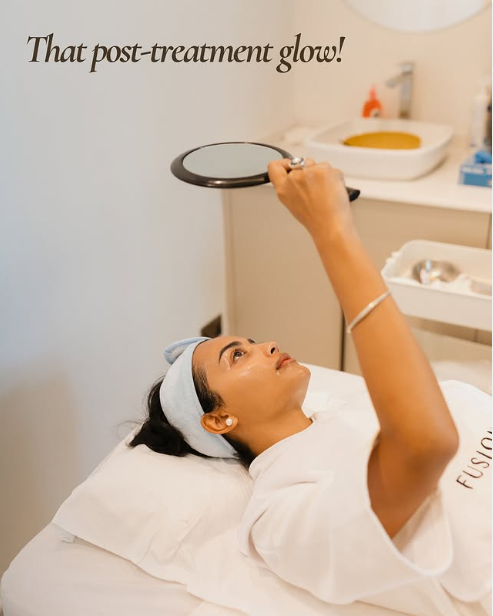
You have enough to manage to even think about postpartum skin treatment Nairobi.
A new baby. A body that has done something extraordinary and is now finding its way back. Sleep that comes in fragments. And, in the middle of all of that, a skin that has changed in ways nobody quite prepared you for.
The melasma appeared in the second trimester. The hair is now shedding in alarming quantities. The skin on your abdomen has a new texture. The face that looks more tired than you feel, even on a good day.
These are real concerns, and they are clinical ones. This guide is for every Nairobi woman who wants to know: what can I safely do for my skin right now, and when can I start postpartum skin treatment in Nairobi properly?
Table of Contents
What Happens to Skin During Pregnancy
Pregnancy is one of the most significant hormonal events the body experiences. Oestrogen, progesterone, and melanocyte-stimulating hormone (MSH) all rise significantly and affect the skin in ways that vary considerably from person to person.
The most common skin changes during pregnancy:
- Melasma (the ‘mask of pregnancy’): Blotchy brown or grey-brown pigmentation on the cheeks, forehead, and upper lip, driven by elevated oestrogen and MSH, stimulating excess melanin production. More common in women with melanin-rich skin and is more pronounced with UV exposure. In Kenya, where the UV index is consistently high, melasma during pregnancy is extremely common.
- Hyperpigmentation: The linea nigra (dark line down the abdomen), darkening of the areolae, and general increased pigmentation in areas that already have melanin concentration.
- Acne: Hormonal fluctuations in the first trimester often trigger breakouts, particularly in women who are acne-prone. The challenge is that most effective acne treatments (retinoids, salicylic acid above certain concentrations, some antibiotics) are contraindicated in pregnancy.
- Skin sensitivity: The skin’s immune response changes during pregnancy. Products that were previously well-tolerated may cause reactions, and the skin barrier becomes more reactive.
- Stretch marks: Caused by rapid stretching of the dermis. More likely in women whose skin has lower baseline elasticity. Preventing stretch marks completely is not clinically possible, but maintaining hydration reduces their severity.
What Aesthetic Treatments Are Safe During Pregnancy
This is the most important table in this post. Err on the side of caution, and always inform your clinician that you are pregnant before any treatment.
| Treatment Category | Safe During Pregnancy? | Clinical Notes |
|---|---|---|
| Injectables (Botox, fillers, PRP) | NOT recommended | No clinical safety data exists for injectables during pregnancy. Taneet does not perform these treatments on pregnant patients. |
| Laser and light treatments (Aerolase, IPL) | NOT recommended | Thermal and light energy treatments carry an unknown risk during pregnancy. Avoided as standard. |
| Chemical peels | Limited / avoid | Most acid peels are contraindicated. Very mild enzyme facials under medical supervision only. |
| Morpheus8 / RF microneedling | NOT recommended | Not indicated during pregnancy. |
| Topical vitamin C (L-ascorbic acid) | Generally safe | One of the few brightening actives considered safe in pregnancy. Useful for melasma maintenance. |
| Niacinamide | Generally safe | Brightening and barrier-supporting ingredient. Safe in pregnancy at standard concentrations. |
| Azelaic acid (up to 20%) | Generally safe | Safe brightening alternative to hydroquinone during pregnancy. Clinically useful for melasma. |
| SPF 50 (mineral or chemical) | Essential | The single most important intervention during pregnancy for preventing melasma worsening and hyperpigmentation. |
| Gentle hydration and barrier support | Essential | Maintaining a strong skin barrier reduces sensitivity and supports overall skin health through pregnancy. |
The Mayo Clinic’s guidance on skincare during pregnancy consistently recommends prioritising SPF and barrier maintenance as the safest and most effective pregnancy skin strategy, with clinical treatments resumed postpartum.
Clinical Note
The melasma that develops during pregnancy is hormonally driven and will typically partially resolve after delivery as oestrogen drops. Do not attempt aggressive treatment during pregnancy. Wait until hormones stabilise postpartum before beginning clinical melasma treatment, as treating it while the hormonal driver is still active is counterproductive.
What Happens to Skin After Having a Baby
The postpartum period brings its own set of skin changes, many of which surprise new mothers.
- Postpartum hair loss (telogen effluvium): During pregnancy, elevated oestrogen keeps hair in the growth phase. After delivery, oestrogen drops sharply and all that retained hair sheds simultaneously. Most women experience significant hair loss between two and four months postpartum. It is temporary, but clinical treatment during the recovery window significantly improves regrowth density and hairline recovery. Read the full clinical guide: Hair Loss in Nairobi.
- Melasma persistence: Pregnancy melasma may partially fade after delivery, but in women with melanin-rich skin, it frequently persists or worsens with post-delivery UV exposure. Clinical treatment is most effective once hormones have stabilised, typically three to six months postpartum.
- Skin laxity on the abdomen: The dermis has stretched significantly. After delivery, it gradually contracts, but the degree of recovery depends on skin quality, age, and whether the elastic fibres were structurally compromised. RF treatments like Morpheus8 are effective for postpartum abdominal laxity once recovery is complete.
- Dehydration and dullness: Sleep deprivation, breastfeeding, and the metabolic demands of early motherhood all affect skin quality. The face often looks more dull and dehydrated than usual.
- Acne: Some women experience significant breakouts postpartum as progesterone drops rapidly and androgen levels fluctuate. This typically resolves within a few months but can be distressing in the meantime.
When Can You Start Aesthetic Treatments After Giving Birth
This depends on the treatment type, whether you are breastfeeding, and how your body has recovered.
| Treatment | When to Resume | Breastfeeding Considerations |
|---|---|---|
| Mineral SPF and safe topicals (niacinamide, vit C, azelaic acid) | Immediately postpartum | Safe while breastfeeding |
| Retinoids (retinol, tretinoin) | After stopping breastfeeding | Avoid while breastfeeding |
| PRP (hair or skin) | From 3 to 4 months postpartum | Generally considered safe while breastfeeding. Discuss with the clinician. |
| Mesotherapy (scalp for hair loss) | From 3 to 4 months postpartum | Formulation-dependent. Clinician assessment required. |
| Skin boosters and Profhilo | From 3 months postpartum, after stopping breastfeeding | Most HA injectables are deferred until after breastfeeding as a precaution |
| Chemical peels (graduated) | From 3 months postpartum, after stopping breastfeeding | Deferred until after breastfeeding for most formulations |
| Morpheus8 (face, neck, abdomen) | From 6 months postpartum | Deferred until breastfeeding is complete |
| Aerolase for melasma | From 4 to 6 months postpartum, once hormones stabilise | Deferred until breastfeeding is complete |
The American Academy of Dermatology’s guidance for new mothers advises a conservative approach during the breastfeeding period and confirms that many treatments produce better results when begun after hormones have fully stabilised.
What Is the Best Postpartum Skin Treatment Plan in Nairobi
The most effective postpartum plan is a phased one, layering treatments as the body recovers and hormones stabilise.
- Months 1 to 3: Focus on safe topicals. SPF 50 every morning, extended to neck and chest. Niacinamide and azelaic acid for any melasma maintenance. Gentle barrier-supporting hydration. No clinical treatments.
- Months 3 to 4 (if not breastfeeding): Begin PRP for postpartum hair loss if shedding is significant. The treatment window between months four and nine postpartum produces the best regrowth outcomes.
- Months 4 to 6 (once breastfeeding has stopped): Begin clinical skin treatment. Profhilo or skin boosters for overall skin quality, hydration, and the dullness that the postpartum period brings.
- From month 6: Morpheus8 for any remaining skin laxity concerns, abdominal texture, or structural facial changes. Chemical peels for melasma if it has persisted. Dark spot treatment for PIH from postpartum breakouts.
The first consultation at Taneet is the right starting point for this process, whatever month you are in. Your clinician will assess where you are in your recovery, what your skin’s current state is, and build a plan that works with your timeline.
Frequently asked questions
What aesthetic treatments are safe during pregnancy in Kenya?
Most clinical aesthetic treatments, including injectables, lasers, RF microneedling, and chemical peels, are not recommended during pregnancy. The safest pregnancy skin approach is mineral SPF 50 every morning, plus niacinamide, azelaic acid, or vitamin C for melasma maintenance. Clinical treatments can resume postpartum on a staged timeline.
When can I start aesthetic treatment after having a baby?
The timing depends on the treatment and whether you are breastfeeding. PRP for postpartum hair loss can begin from three to four months postpartum. Most injectable and energy-based treatments are deferred until breastfeeding is complete. A phased plan beginning with safe topicals and progressing to clinical treatments as recovery advances is the most effective approach.
Can I treat postpartum melasma in Nairobi?
Yes, but timing matters. Postpartum melasma should be treated after hormones have stabilised, typically three to six months after delivery. Treating it while hormonal activity is still fluctuating often leads to rebound. Taneet uses a combination of graduated chemical peels, Aerolase laser, and topical maintenance for melasma on melanin-rich skin.
Is postpartum hair loss permanent?
No. Postpartum hair loss (telogen effluvium) is temporary and driven by the hormonal drop after delivery. The hair cycle typically normalises within six to twelve months. However, full density recovery at the hairline is significantly better with clinical treatment (PRP or scalp mesotherapy) than without it. The optimal treatment window is four to nine months postpartum.
How do I deal with the dullness and tiredness my skin shows after having a baby?
Postpartum skin dullness is driven by sleep deprivation, hormonal changes, and the metabolic demands of breastfeeding. Once breastfeeding is complete or from three months postpartum, with clinician assessment, Profhilo and skin boosters are the most effective treatments for restoring deep hydration, radiance, and skin quality. In the meantime, a simple routine of SPF, vitamin C, and barrier support is the best foundation.